Online Tarot with AI
Online Tarot with AI — Explore the tools in this section and choose a reading for your question. Each page explains how it works and what the result includes.
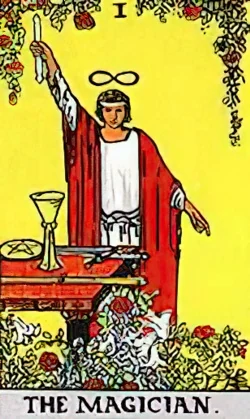
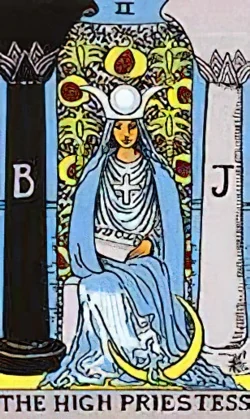
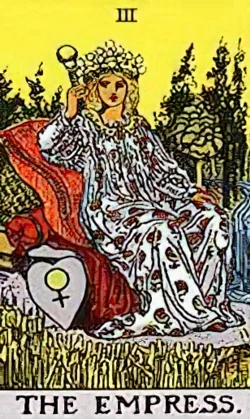
Rider-Waite Tarot
This application uses all 78 Rider-Waite cards: 22 major and 56 minor arcana.
Open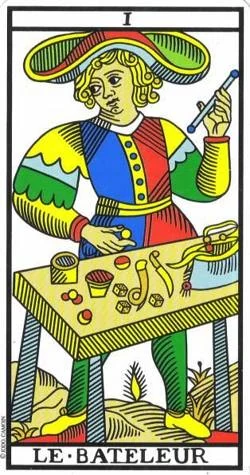
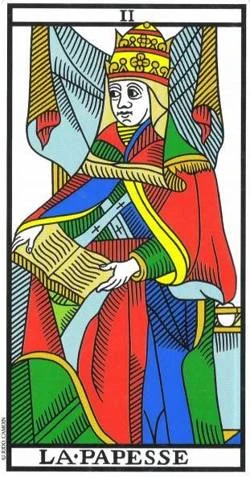
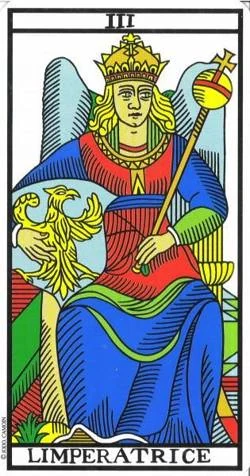
Marseille Tarot
This version of Marseille Tarot uses the 22 major arcana.
Open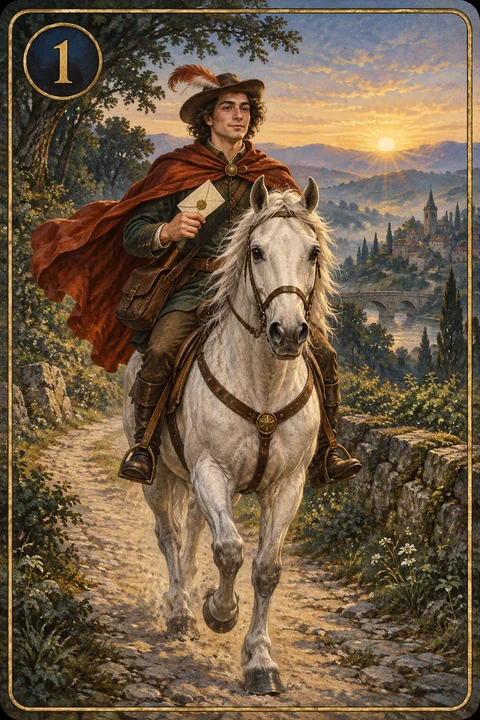
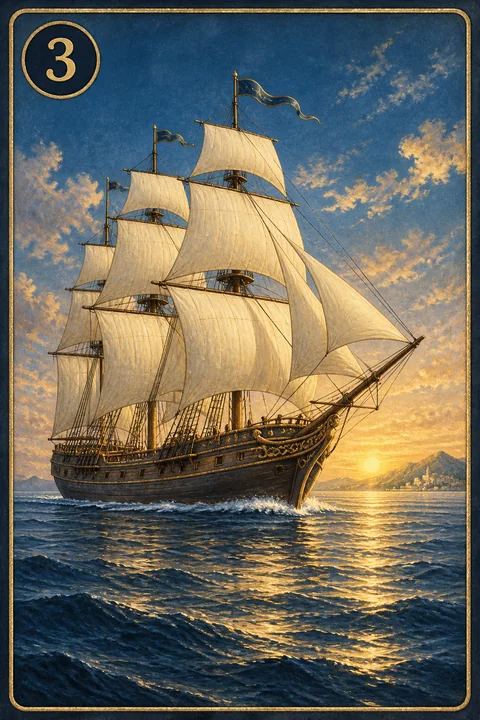
Lenormand Cards
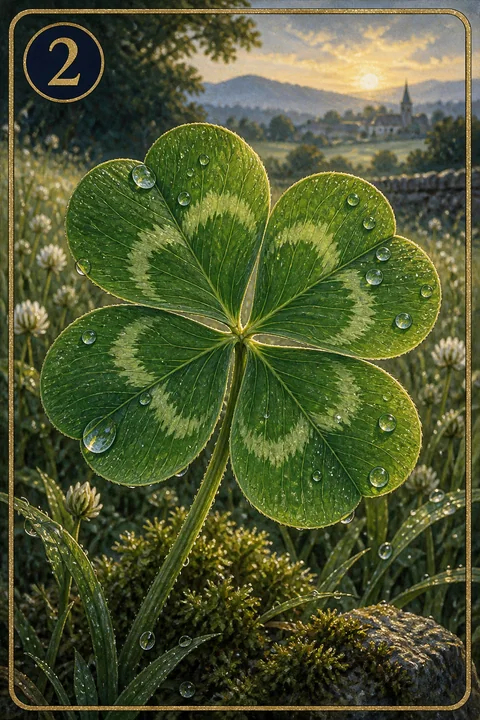
This application uses the 36 Lenormand cards, with symbols such as the Rider, Clover, Ship and House.
Open
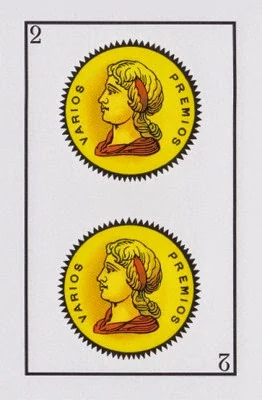
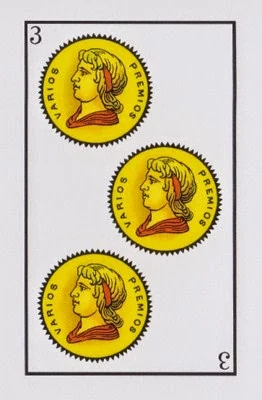
Spanish Tarot
This application uses a 48-card Spanish deck with coins, cups, swords and clubs.
Open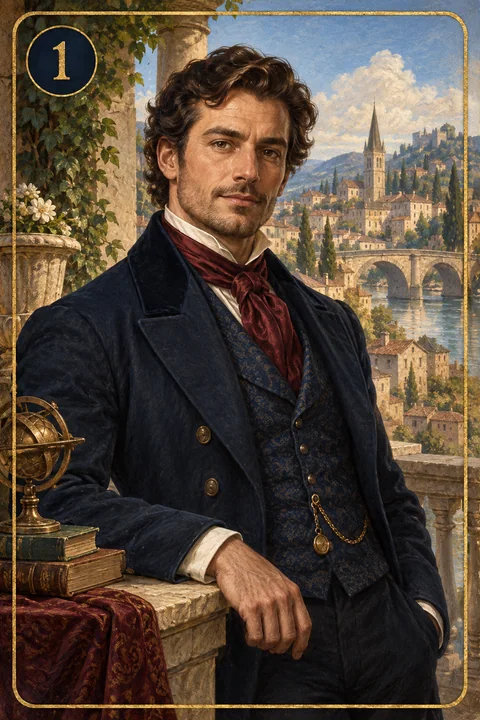
Gypsy Tarot
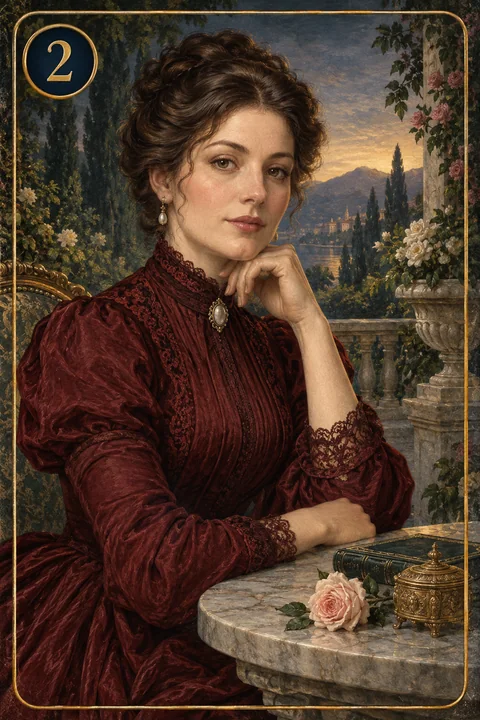
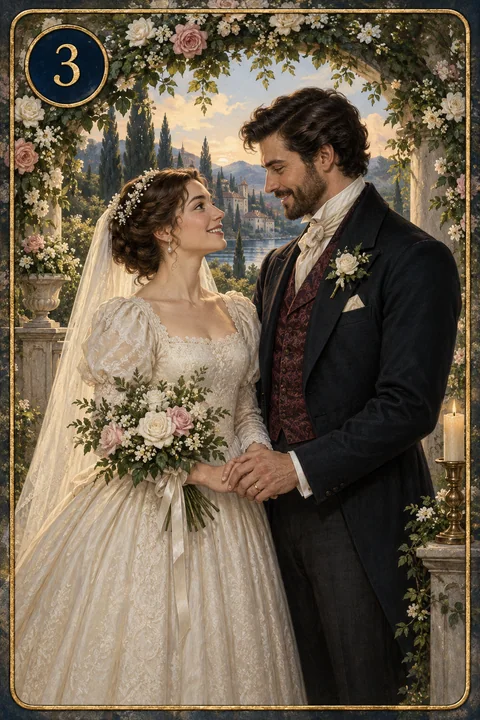
Explore Gypsy Tarot with 36 original illustrated cards. Enter your question, choose three cards and receive a combined AI reading.
Open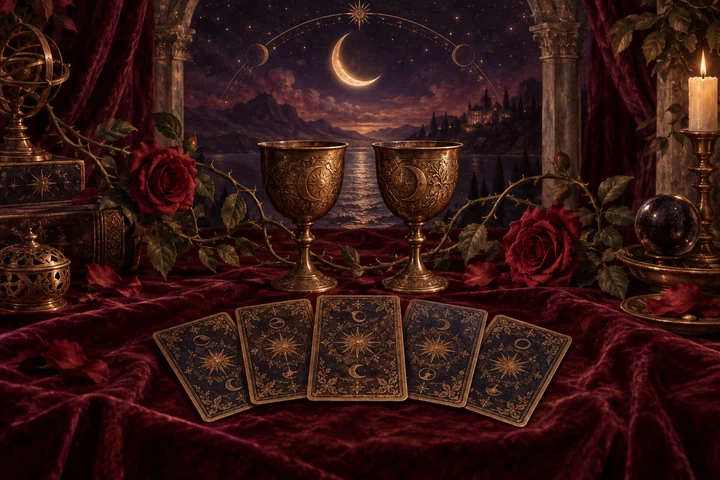
Love Tarot
Choose your relationship situation, ask your question and pick five cards. Receive a brief AI reading and save it without signing up.
Open
Work & Money Tarot
Ask about finding work, your current job, a project or your money. Choose five cards for a brief AI reading you can save without signing up.
Open
Poker Tarot
This application uses 52 poker cards without jokers, divided into hearts, diamonds, clubs and spades.
Open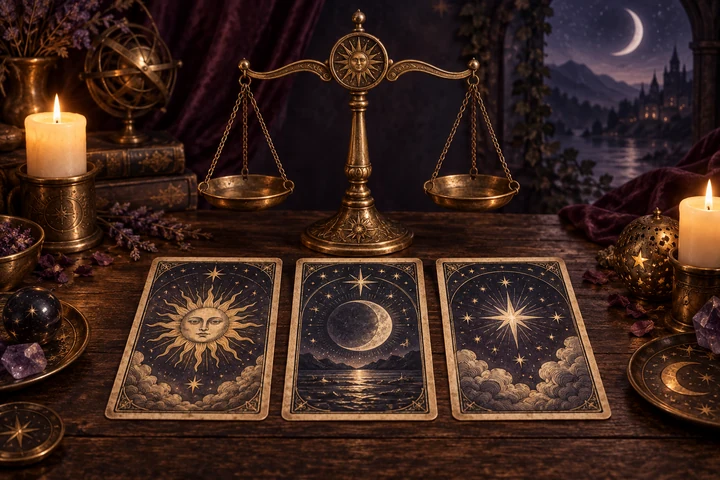
Yes or No Tarot
Free Yes or No Tarot: think of a question and choose three of the 22 Major Arcana. Writing it is optional. Get a brief answer and save your reading.
Open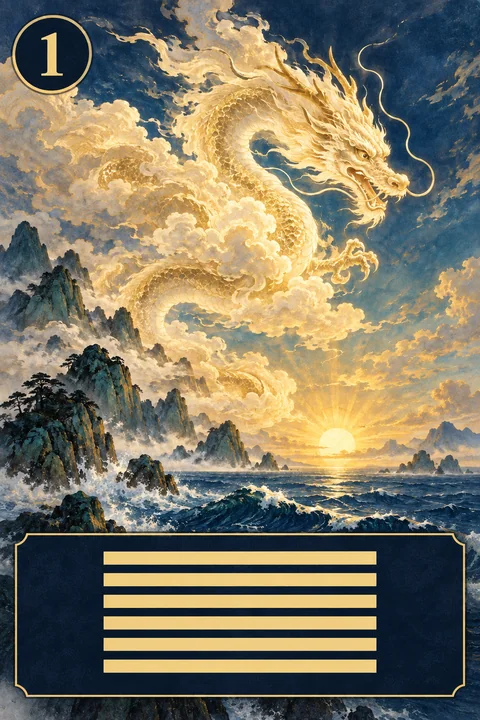
I Ching Tarot
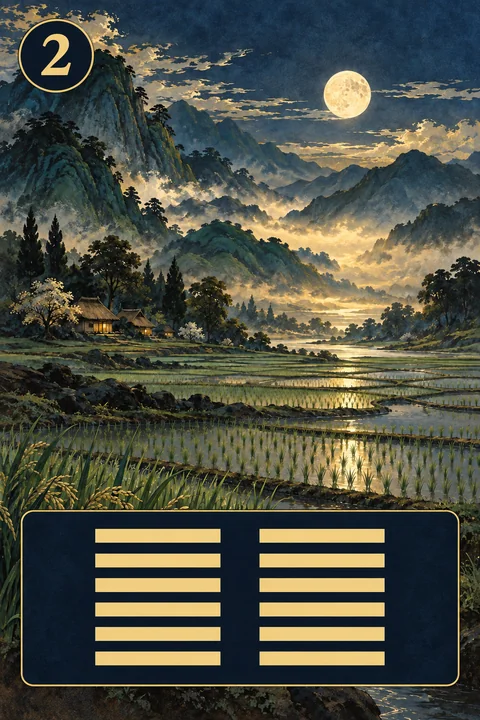
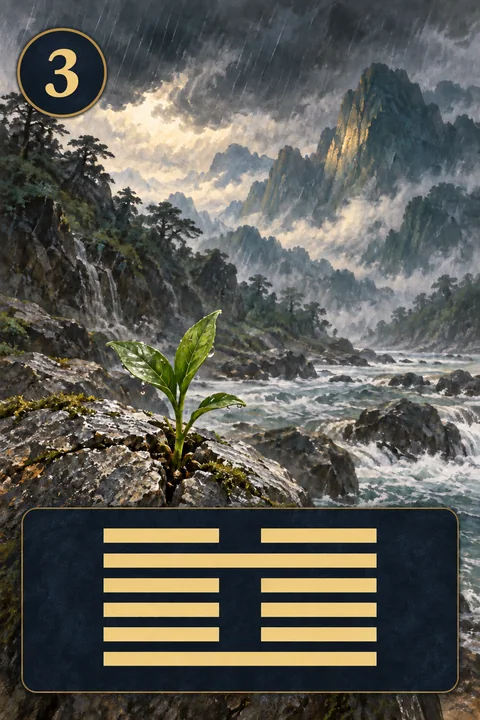
This card variant uses the 64 hexagrams.
Open
Two Paths Tarot
Compare two options with seven tarot cards: your situation and the potential, challenge and advice for each path. An AI reading you can save.
Open
Card of the Day
One card to accompany your day. Discover its message and a practical suggestion. Your draw stays in this browser. No account needed.
Open
Celtic Cross Tarot
Ten cards around your situation. One clear, brief answer. Select Save reading when it is complete.
Open
Past, Present & Future Tarot
What you carry forward, where you stand and where your situation may lead. Select Save reading when it is complete.
Open
Weekly Tarot
Three cards for your week: outlook, opportunity and caution. Your draw stays in this browser. No account needed.
Open
Interpret your own cards
Choose the cards from your deck and their orientation. Receive one reading of your question.
Open
Your birth arcana
Your birth date becomes a pair of major arcana, or the special group of three.
Open
Year Ahead Tarot
Twelve months, twelve cards. A message for each month and the thread connecting your year.
Open
Tarot for Closing a Chapter
What has ended, what holds you back and how to move on while keeping what matters.
Open
Tarot for a Pending Conversation
Four cards to prepare what to say, how to approach it and where to begin.
Open
Thoth Tarot
Five cards that come together to answer your question.
Open
Etteilla Tarot
Five cards from a different deck. A clear answer to what is on your mind.
Open
Renaissance Tarot · Minchiate
Five cards from an original 97-card deck. One clear answer to your question.
Open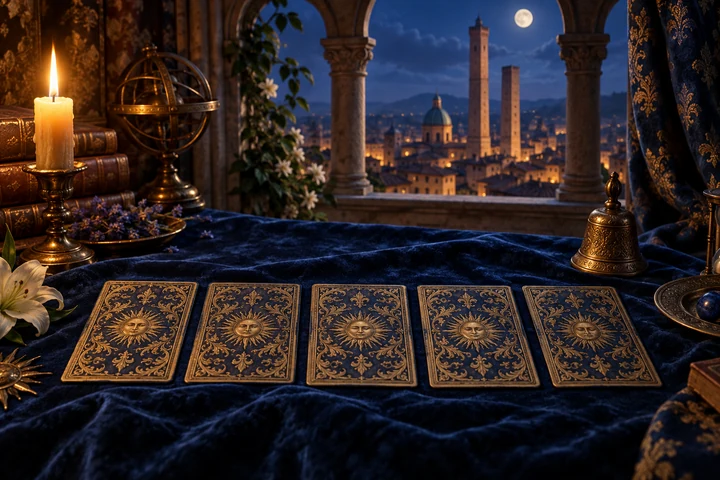
Tarot of Bologna · Tarocchino
Five cards from an original 62-card deck. A joint reading focused on your question, with a clear answer and a useful next step.
OpenTarot gathers ten divinatory decks freely available on Tarotoui, each with its cards, symbols, and own history. You will find here the Western classics such as the Rider-Waite and the Marseille Tarot, specialized variants (love, work, yes/no), and rarer systems like the Lenormand, the Gypsy tarot, the Poker tarot, or the I Ching presented as a spread. Each draw is interpreted by an artificial intelligence trained on traditional meanings, which lets you get a consistent reading without prior knowledge of the symbolism.
What is tarot?
Tarot is a 78-card deck (22 major arcana and 56 minor arcana split into four suits) that emerged in Northern Italy in the 15th century, first as a parlor game. Its divinatory use developed from the 18th century with Antoine Court de Gébelin and Etteilla. The Marseille Tarot, set in the 17th century by the card makers of Marseille, became the French-speaking reference. In 1909, Arthur Edward Waite and the illustrator Pamela Colman Smith published the Rider-Waite-Smith, the first deck to illustrate each minor arcana narratively, which made it the world standard today. Tarot does not predict the future in the strict sense: it acts as a symbolic mirror of your situation.
How does a spread unfold?
A spread always begins with a clear question. You pick the right deck (Rider-Waite for a general reading, Love Tarot for romantic questions, Yes/No for a binary answer), then let the cards be drawn. The number of cards varies with the spread: one for a quick light, three for the past-present-future thread, up to ten for a detailed Celtic cross. Each position in the spread has a precise meaning. The artificial intelligence combines the traditional meaning of each card, its orientation (upright or reversed), and its position to build a coherent reading tied to your initial question.
Tips for a useful spread
Frame your question openly rather than as a binary: "What is blocking this project?" will give more substance than "Is it going to work?". Avoid drawing several times on the same question in one day; you dilute the reading. One or two consultations a week is more than enough for most subjects. Note your draws in a notebook to re-read the cards several weeks later and check their relevance. Approach the reading with attention but without magical expectation: the cards light up your blind spots, they do not decide for you.
Frequently asked questions
Which tarot deck should I choose as a beginner?
The Rider-Waite is the most accessible: each minor arcana is illustrated with a narrative scene, which makes memorization easier. The Marseille Tarot calls for more practice because the minors are purely geometric. For a targeted question, instead pick a thematic tarot (Love, Work, Yes/No).
Can tarot really predict the future?
No, not in the literal sense. Tarot reveals ongoing dynamics, tendencies, and angles of reflection you had not made conscious. It helps you anticipate by clarifying the present, but the future remains shaped by your decisions.
How many cards should I draw?
One card for a quick light, three for a past-present-future or context-action-outcome reading, five to ten for a deep analysis. The longer the spread, the more precise the question must be to avoid drowning the message.
What does a reversed card mean?
A card drawn upside down nuances, softens, or reverses its usual meaning. It can indicate a block, an internalized energy, or a lesson on hold. Not all traditions read reversals: the Marseille Tarot often skips them.