Ja oder Nein Tarot

Lesung mit 3 Karten

Konzentriere dich auf deine Frage und ziehe drei Karten.

Deine Antwort

Try Yes/No Tarot now for free. Online reading with AI interpretation in seconds, no signup required.

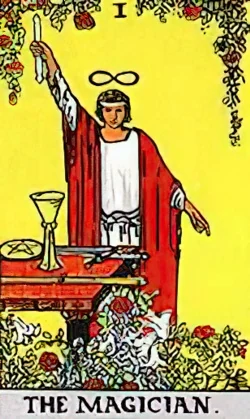
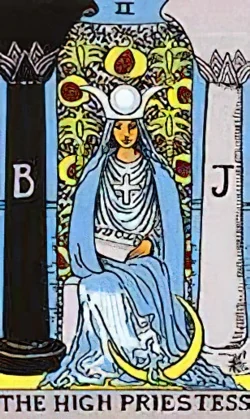
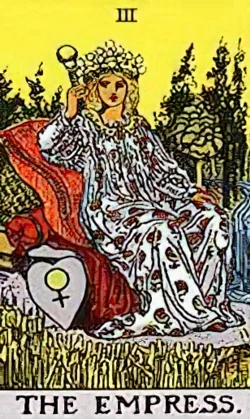
The Yes or No Tarot is the shortest possible spread: a single card, a binary answer. When you have a closed question ("should I accept this offer?", "will she call me back?", "is this the right time?"), this spread gives you an immediate direction. This app uses a 78-card deck (Rider-Waite) with a preset classification: some cards answer yes, others no, a few stay neutral. You frame your question silently, you draw, and the answer appears at a glance, with a short explanation.

What is the Yes or No Tarot?

The Yes or No Tarot is a simplified method of the classic spread. Each arcanum is given a polarity: positive (yes), negative (no), or neutral (maybe, to be seen). For example, The Sun, The Star, The World, The Lovers give a clear yes; The Tower, Death, The Devil, the 10 of Swords lean toward a no; The Moon, The Hanged Man, Justice remain neutral and call for further inquiry. This classification took shape in 20th-century popular cartomancy, especially in press columns and the first mobile apps. It works for quick direction, not for deep analysis.

How does this spread work?

The flow is minimal. You frame your closed question silently (the wording must be able to take a yes or a no without ambiguity), you click to shuffle the deck, and you draw a card. The app instantly displays the answer: YES, NO, or MAYBE, with the card drawn and a short clarifying sentence. You can draw again for another question, but avoid asking the same question right after: the first answer is the one that counts.

Tips for reading

Frame your question so it can take a clear yes or no. Avoid open questions ("how will this evolve...") which do not fit the binary format. If you get a MAYBE, the question lacks maturity or the situation is unsettled: rephrase it or switch to a three-card spread. Do not chain questions on the same subject: if the answer displeases you, wait a few days and ask it differently.

Frequently asked questions

Which questions to ask?

Any question that closes cleanly: "should I accept this position?", "is this the right time to move?", "is he sincere?", "should I bring it up with her?". Avoid open or double questions ("will I succeed or fail?"): rephrase them into two separate binary questions.

Can a single card really settle it?

The draw gives a direction, not an absolute truth. The answer orients your thinking and sometimes reveals what you already knew deep down. If the answer feels wrong, it is often because the question was poorly framed, not because the card is mistaken. For important decisions, cross-check with other signals.

What to do with a MAYBE?

A MAYBE signals that the situation is not ripe, that the question lacks an angle, or that elements need clarifying before deciding. Rephrase the question, wait a few days, or move to a wider spread (three cards). Do not take MAYBE as a disguised refusal.

Can you draw again if the answer displeases you?

Better to refrain. Drawing in a loop until you get the wished-for result drains the spread of meaning. If the answer jars you, let it settle a few days, then ask the question from a different angle. Cartomancy honors patience more than insistence.