Online Oracles with AI
Online Oracles with AI — Explore the tools in this section and choose a reading for your question. Each page explains how it works and what the result includes.

Viking Runes
This modern variant uses the 24 Elder Futhark runes.
Open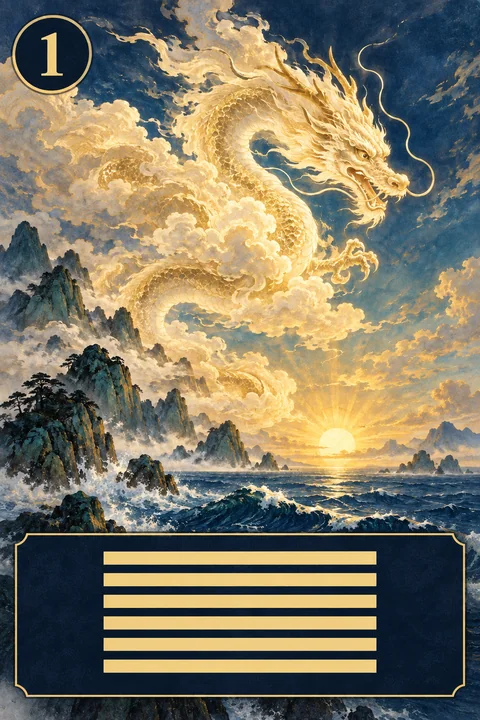
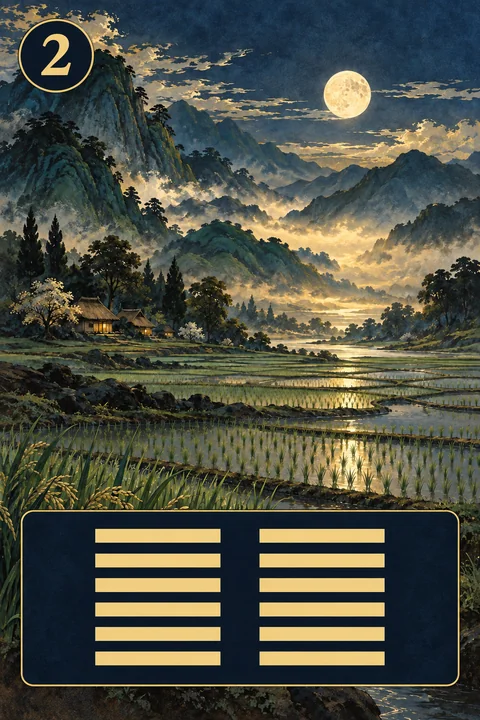
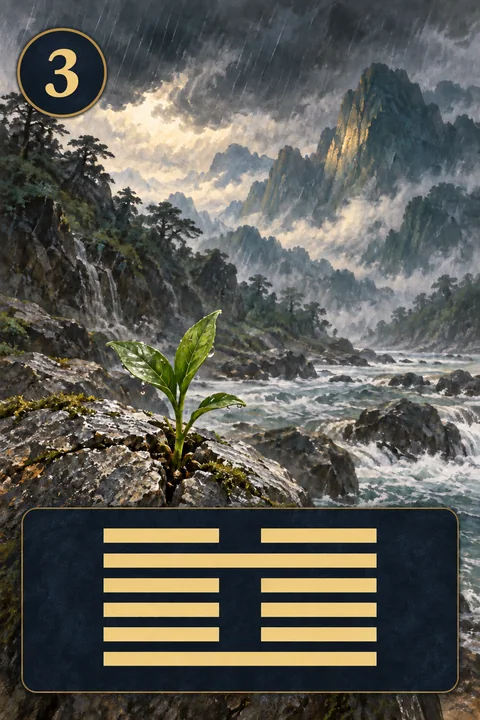
I Ching Oracle
Each throw of three coins forms one line: ☀ counts as 3 and ☽ as 2.
Open
Angel Oracle
One card, a presence and a message to accompany this moment.
Open
Belline Oracle
Keys, stars and omens. Choose one card or bring three keys together in a reading.
Open
Blue Oracle
Immerse yourself in its symbols. One or two cards to reflect on what you are experiencing.
Open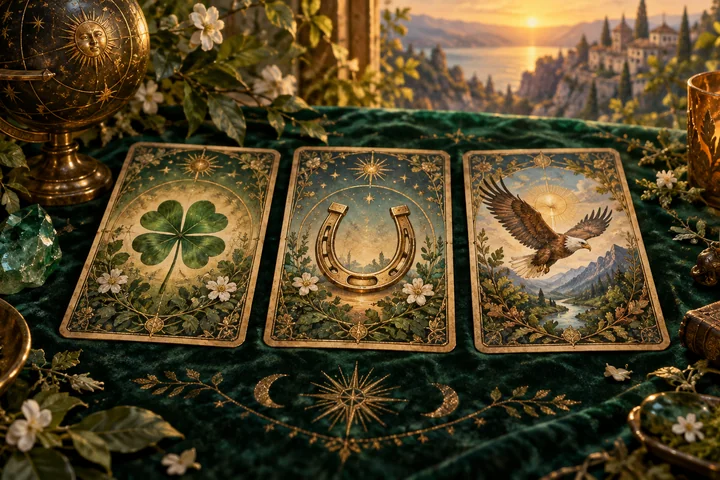
Luck Oracle
Discover the symbol that meets you and the opportunity it represents.
Open
Color Oracle
Choose three different hidden colours from a catalogue of 69.
Open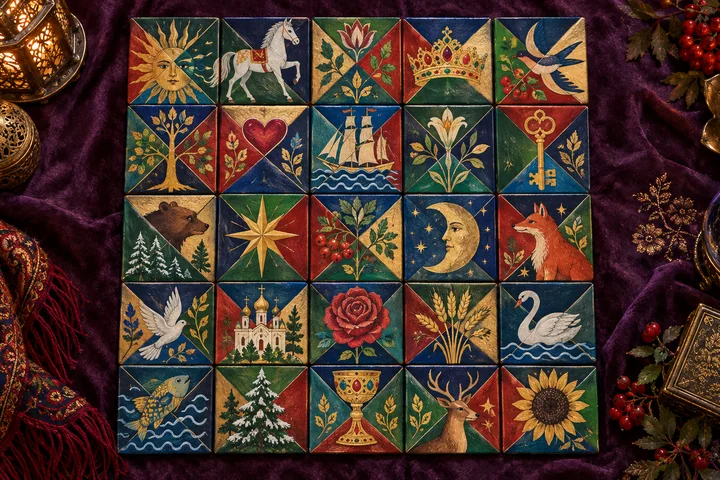
Russian Gypsy Oracle
Twenty-five pieces. Fifty symbols. An image finds its meaning when it joins another.
Open
Fate Oracle
A door opens, closes or remains veiled. Discover the answer to your question.
Open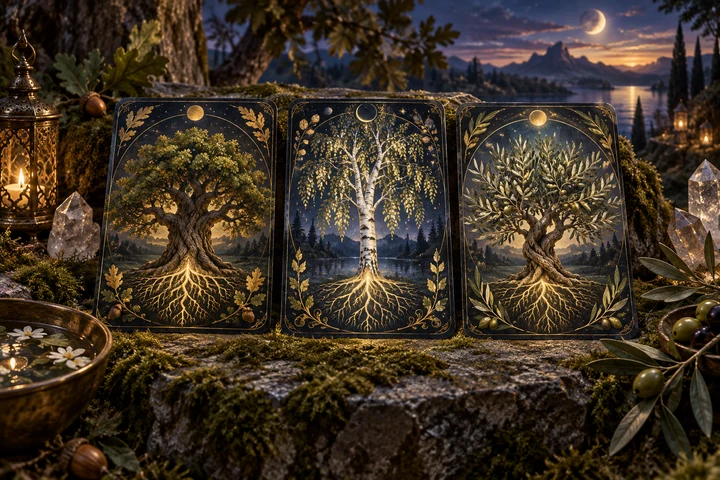
Oracle of Trees
Three trees to explore your roots, what is growing and your next step.
Open
Animal Oracle
Thirty-two animals, three encounters: your impulse, your surroundings and a possible action.
Open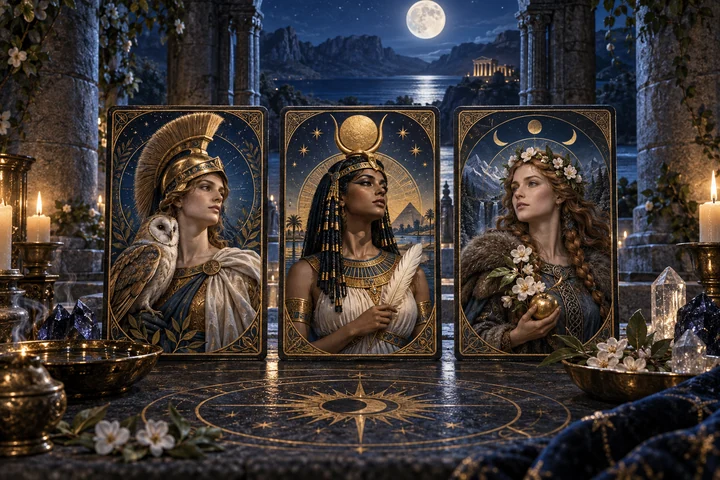
Goddess Oracle
A resource, a boundary and an action. Three cards from an original deck of 24 goddesses.
Open
Labyrinth Oracle
Choose your path through twenty scenes. Four encounters, one connected reading and a next step.
Open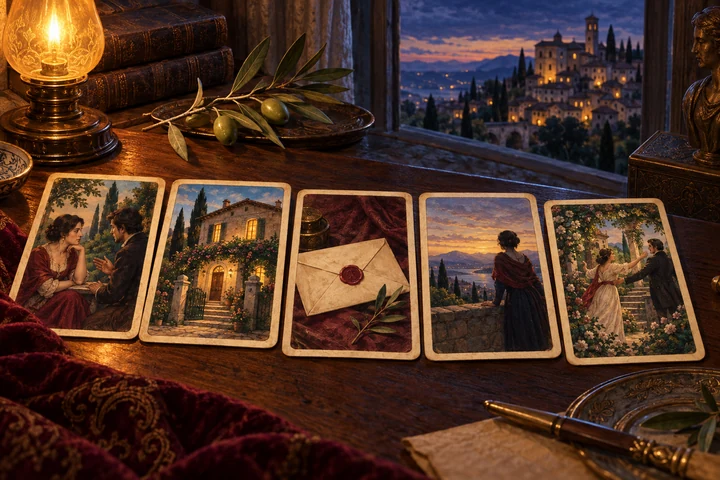
Italian Sibyl Oracle
Write your question and choose five cards. The Sibyl connects your situation, its influences and the possible direction of your reading.
Open
Omikuji · Your Japanese fortune
Choose three areas and draw a fortune slip. Unfold a message for this moment and a short reflection for each area.
Open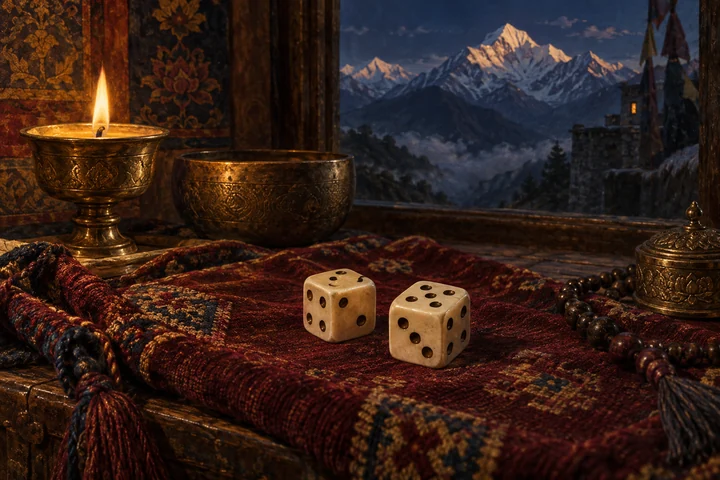
Tibetan Mo Oracle
Choose a topic and roll the die twice. The two syllables, in the order drawn, open one of the oracle’s 36 readings.
Open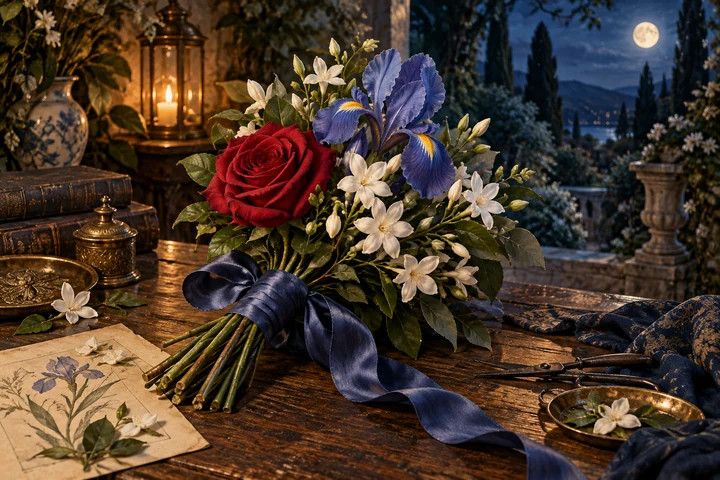
Flower Oracle
Choose three flowers to express, nurture and take a first step. Compose your bouquet and discover the message they form together.
Open
Kau Cim · The oracle of sticks
Choose a topic and draw one of a hundred sticks. A scene and its moment help you notice what supports your situation, what holds it back and what you can do.
Open
Alchemical Oracle
Four cards to transform a situation: break down, clarify, integrate and give form. Explore what to release, what to keep and where to begin.
Open
Ogham Oracle
Choose three staves and reveal their signs. A reading about what needs attention, a resource you can use and a possible next step.
Open
Oracle of the Muses
One muse, a fresh perspective and a small exercise to unlock your creativity.
Open
Tree of Life Oracle
Ten spheres, three aspects of your reading: attention, resource and action.
Open
Crystal Oracle
Three stones, three perspectives and a practical step for your chosen theme.
Open
Mantegna Oracle · The symbolic staircase
Five illustrated encounters connect your situation, inspiration, resource, attitude and direction. Discover a complete reading of the path.
Open
Oracle of Astrampsychus · The book of answers
Choose a specific question and draw a numbered lot. Open a short answer with its condition and a practical direction.
Open
Taixuan · Oracle of the 81 signs
Form a four-line sign and discover its symbolic message. A clear direction, its nuance and one possible step.
OpenOracles gather ten divinatory tools that differ from tarot in their structure: fewer cards, more direct messages, specialized symbolic worlds. You will find here the Viking runes, the Chinese I Ching, the Angel Oracle, the Belline (created in Paris in the 19th century), the Blue Oracle, the Luck Oracle, the Color Oracle, the Gypsy deck, the cosmic reading of the day, and a binary yes/no oracle. Each answers a particular intention: daily guidance, numbered advice, angelic message, or strategic reflection.
What is an oracle?
An oracle is a divinatory system organized around a free number of cards or symbols, without the arithmetic rigor of tarot (22 + 56). The Scandinavian runes, attested as early as the 2nd century, count 24 characters of the Elder Futhark. The I Ching, compiled in China around 1000 BCE, rests on 64 hexagrams. The Belline Oracle was designed by the mage Edmond in 1845, then taken up by Marcel Belline in the 1960s. Each oracle has its own symbolic vocabulary: 53 cards for the Belline, 44 messages for the angels, 12 colors for the chromatic spectrum.
How does a consultation unfold?
An oracle consultation is generally shorter than a tarot draw. You ask a question, sometimes open, sometimes targeted depending on the chosen oracle (yes/no, advice of the day, angelic message). One to three cards are drawn in most cases. For the I Ching, the draw produces a hexagram of six lines, possibly rounded out with a changed hexagram. AI interpretation rests on the traditional texts tied to each symbol: the carved meaning of the runes, the commentaries of the Book of Changes, the angelic correspondence from Doreen Virtue's book.
Using an oracle well
Pick the oracle by intent rather than by aesthetics. Looking for strategic advice on a complex decision? The I Ching is built for that. Want a soothing message? The Angel Oracle. A quick answer? The Yes/No Oracle. An oracle is consulted now and then, not in a loop: if the answer displeases you, do not draw again. The cosmic reading of the day, on the other hand, lends itself to a short morning routine. Keep a notebook to record received messages and check them later.
Frequently asked questions
What is the difference between tarot and oracle?
Tarot has a fixed structure (78 cards, two arcana) and a universal symbolism codified since the 15th century. Oracles are free in their card count and theme, often more recent, and their messages are generally more direct and explicit, sometimes written on the card itself.
Is the I Ching an oracle or something else?
The I Ching is a classic of Chinese wisdom used both as a philosophical text and as a divinatory system. Its consultation is traditionally done by tossing yarrow stalks or three coins. On Tarotoui, the draw is simulated digitally and the interpretation rests on the ancient commentaries.
Which oracle to start with?
The Angel Oracle and the Luck Oracle are the most accessible: their messages are explicit, and interpretation requires no prior knowledge. The Belline and the runes call for a bit more symbolic learning but offer richer readings.
Can several oracles be consulted on the same day?
Yes, but on different questions. Asking the same question to several oracles dilutes the reading and blurs your intuitive bearing. Better to consult one tool per subject, then let it rest several days before bringing it back.