Mancy and Divination Arts
Nine ancient divination arts online: coffee reading, pendulum, alomancy, candle reading, dice, capnomancy, dominomancy, shell casting and crystal ball.
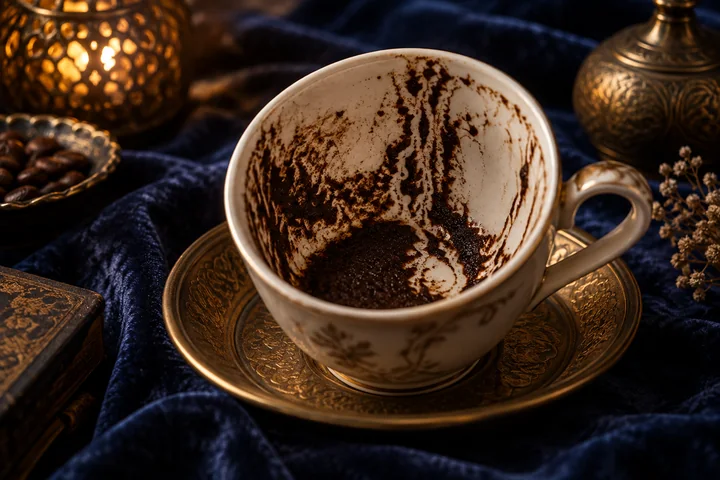
Coffee Reading
The application chooses three different symbols from a catalogue of 30 and places them in an animated cup.
Open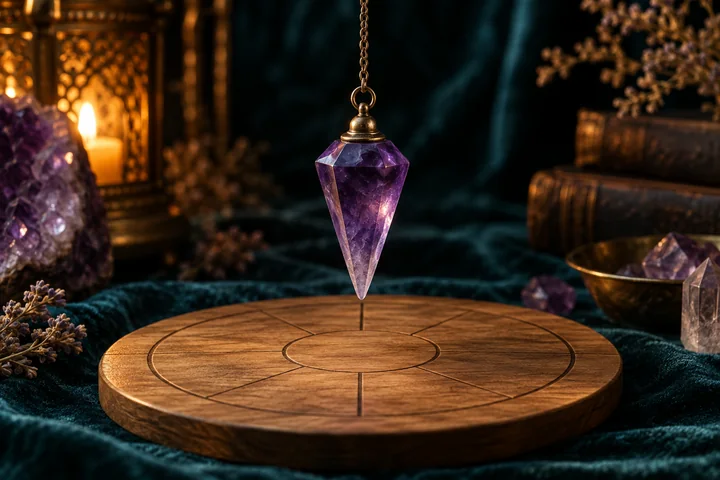
Yes/No Pendulum
The pendulum randomly selects yes, no or maybe and represents the result through its movement.
Open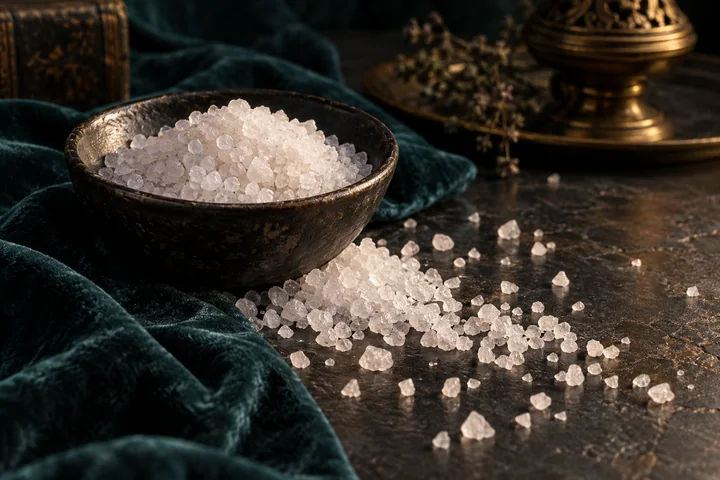
Alomancy (Salt)
Watch the salt fall into one of this application's 12 patterns.
Open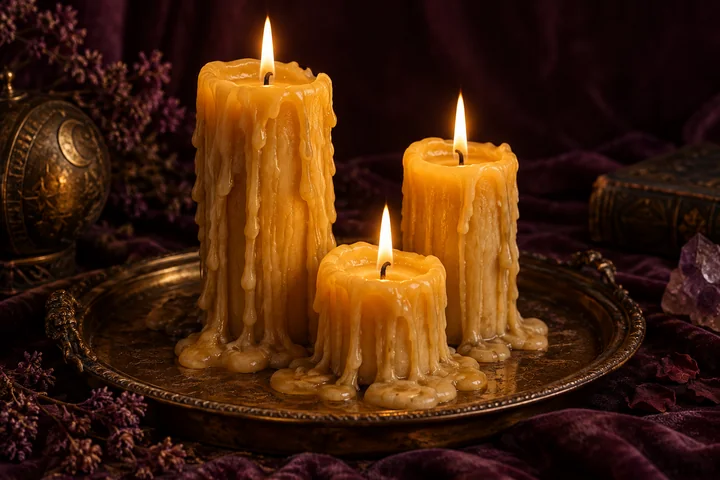
Candle Reading
Light the animated candle and observe one of the catalogue's 14 behaviours.
Open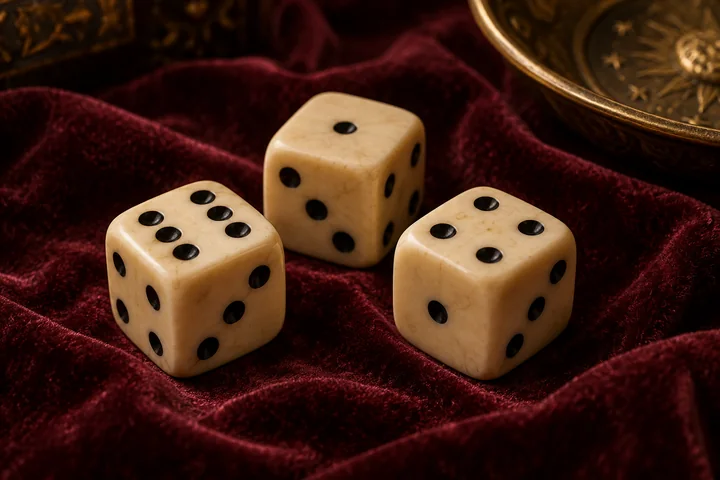
Dice Reading
Choose a roll of one, two or three six-sided dice.
Open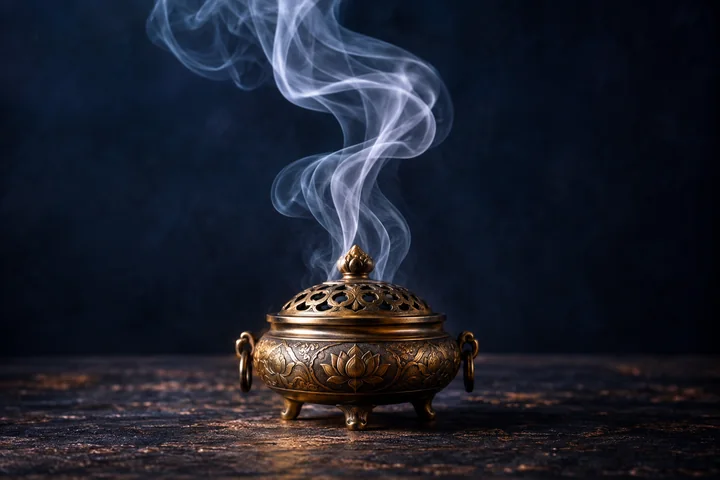
Capnomancy (Smoke)
Watch an animation of one of the catalogue's 17 smoke phenomena.
Open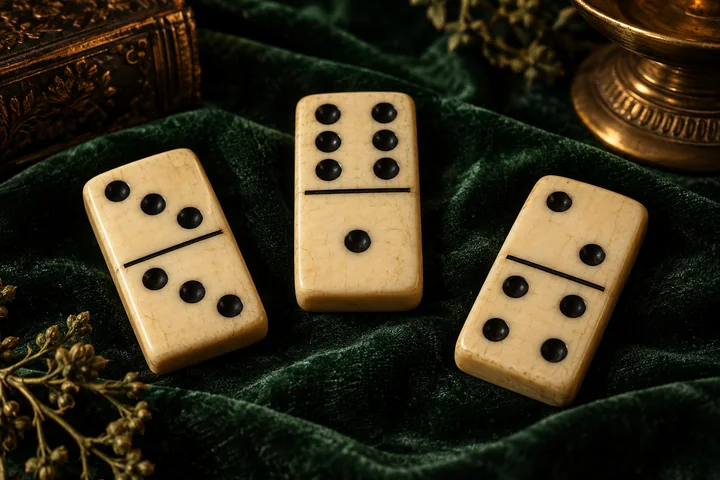
Dominomancy
Choose one or three different tiles from a 28-piece domino set.
Open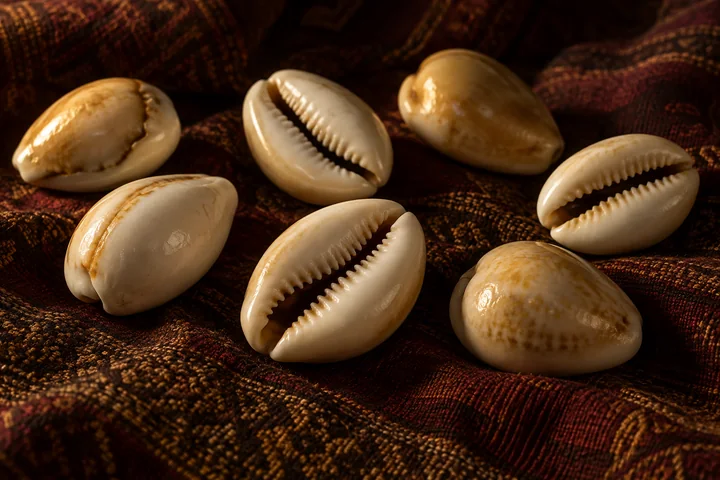
Shell Casting
Cast three different shells from a catalogue of 16.
Open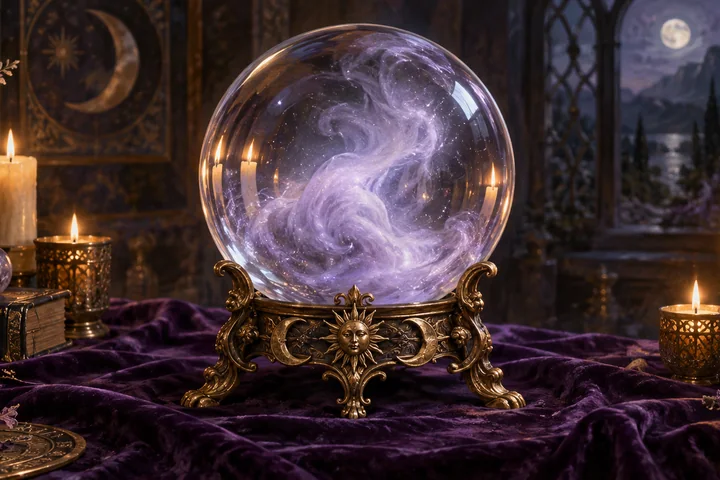
Crystal Ball
Think of a question. Let the mist clear and discover the sphere’s sign.
Open
Dream Interpretation
Explore your dream with AI using what you remember and how you felt. Get a personal reading and save the account with your notes, without signing up.
Open
Interactive palm reading
Compare your palm lines with the illustrations and explore a reading of their combination.
Open
Bibliomancy
Open the Book of Thresholds. An original passage and its reading offer another way to view your situation.
Open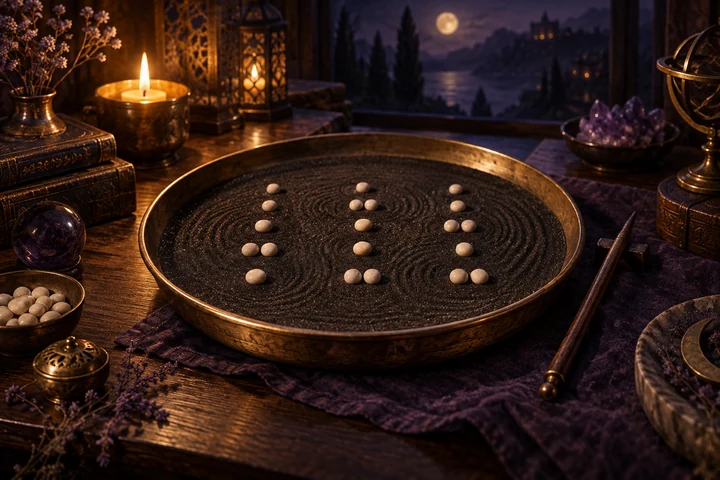
Geomancy
Cast points, form the sixteen figures and discover the combined reading of your geomantic shield.
Open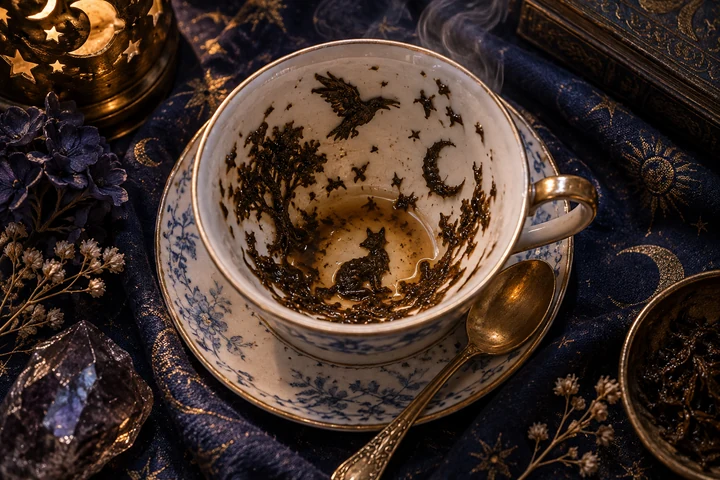
Tasseomancy · Tea Leaf Reading
Choose the shapes you recognize and where they appear in the cup.
Open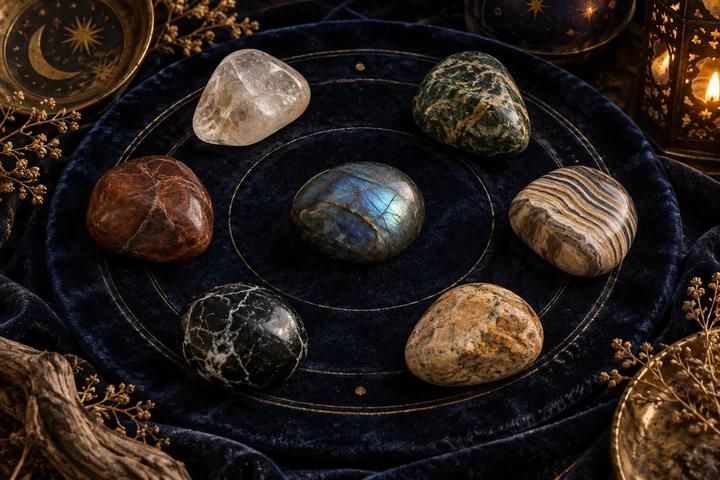
Lithomancy · Stone Reading
Seven stones in a circle. Position and proximity shape the reading.
Open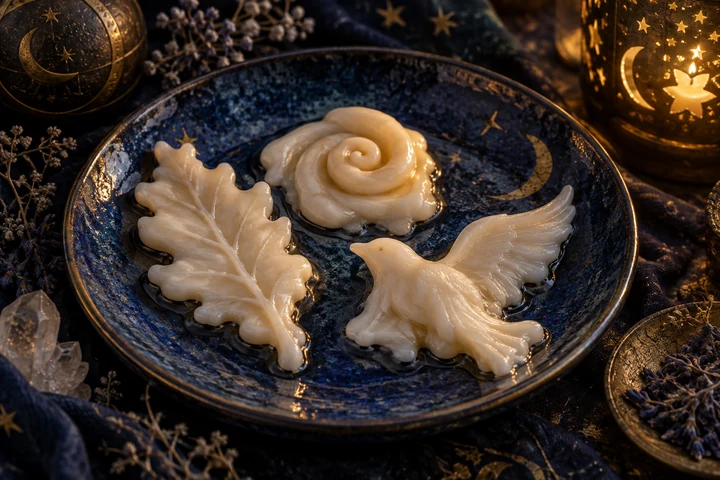
Ceromancy · Wax Shapes
A silhouette gallery to interpret the shapes that catch your attention.
Open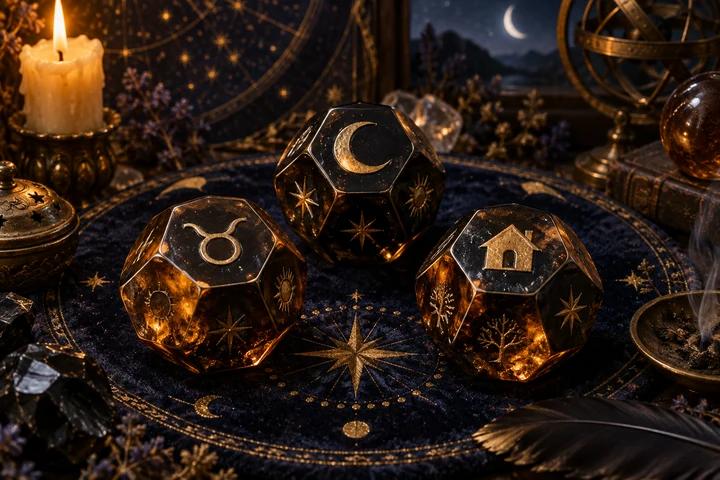
Astrology Dice
A planet, a sign and a house. Three dice join in one answer for your situation.
Open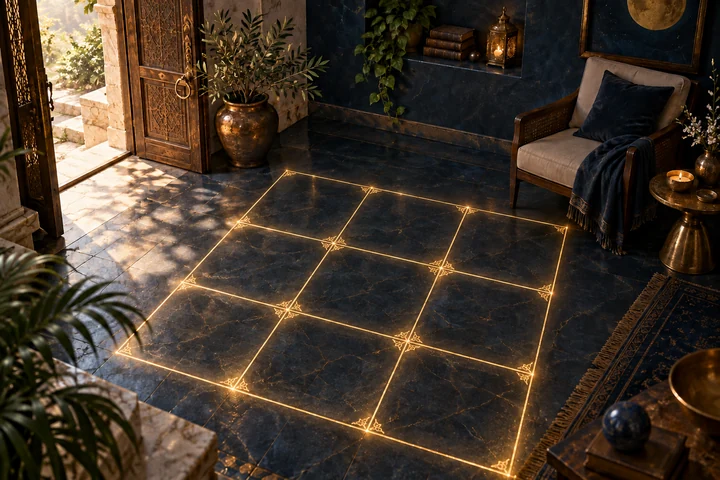
Feng Shui for Your Space
Sketch a room, mark its entrance and explore nine zones with suggestions for your goal.
Open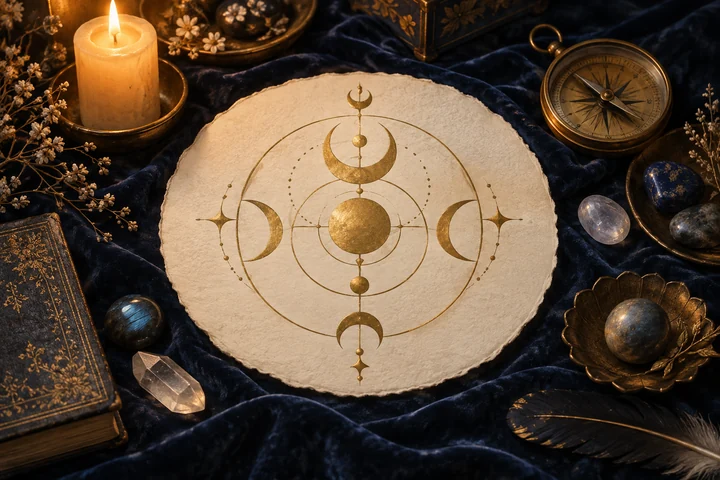
Create your personal sigil
Turn the letters of an intention into your own symbol. Change its composition, adjust the strokes and download your design.
Open
Create your intention ritual
Choose a purpose, a few minutes and a symbolic element. Create a simple practice and pair it with a concrete action in everyday life.
Open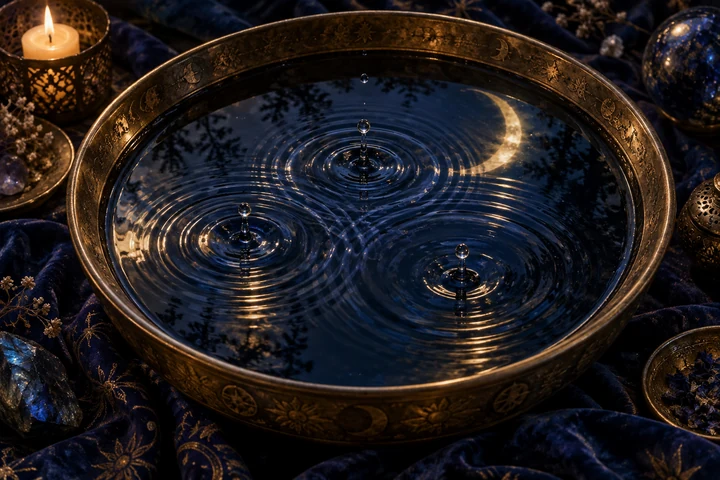
Hydromancy · Reading the water
Drop three droplets and explore what their meeting ripples suggest.
Open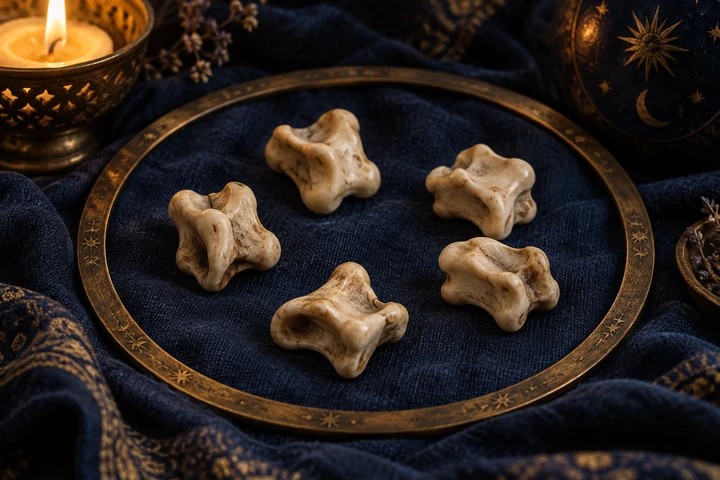
Astragalomancy · Knucklebone oracle
Cast five knucklebones and discover the opportunity, challenge and next step suggested by their combination.
Open
Ornithomancy · The flight of birds
Watch birds gather and move apart. Their flight shapes your reading.
Open
Nephomancy · Cloud reading
Three skies, the shapes you recognise and a symbolic reading of their evolution.
OpenMancy refers to the divinatory arts that do not use cards but material supports: coffee grounds, salt, candles, dice, dominoes, shells, smoke, pendulum, or crystal ball. Tarotoui offers nine of these practices in digital form, with AI reading of the configurations obtained. Each has its history, sometimes millennia old (Ottoman cafeomancy, Babylonian capnomancy), and its own symbolic vocabulary. You will find both European popular arts and traditions inherited from the East or Mediterranean antiquity.
What is mancy?
The suffix "-mancy" comes from the Greek manteia, meaning divination. Each art takes its name from the medium used: cafeomancy for coffee grounds, halomancy for salt (from the Latin alo), velomancy for candles, dadomancy for dice, capnomancy for smoke, dominomancy for dominoes, conchomancy for shells. Crystallomancy, or scrying, goes back to antiquity; the crystal ball was popularized by John Dee in the 16th century. Cafeomancy developed in the Ottoman Empire in the 15th century with the arrival of coffee. These practices share a common logic: interpreting the figures left by controlled chance.
How does a reading unfold?
The logic is always the same: a medium produces a random configuration that you then read. You throw the dice or dominoes, you turn over the coffee grounds, you watch the wax drippings of a burning candle, you ask the pendulum for a yes/no answer. On Tarotoui, the draw is simulated: the configuration appears on screen, and AI identifies the symbols present (circle, line, animal, letter) to deliver an interpretation. For the pendulum and the crystal ball, the reading bears on precise questions; for the others, on figures and their placement.
When to use mancy
These tools answer concrete questions better than great existential ones. The pendulum excels at short binary questions. Dice and dominoes suit quick decisions. Cafeomancy and capnomancy call for more patience and offer more narrative readings. The crystal ball is more suited to open questions over a period. Avoid multiplying media for the same question: you will get contradictory messages and lose your bearing. A consultation a week is enough in most cases.
Frequently asked questions
Is mancy older than tarot?
Yes, by far. Capnomancy is mentioned in the Babylonian tablets. Cleromancy (drawing by lot) is attested in ancient Greece. Cafeomancy dates from the 15th-century Ottoman world, while divinatory tarot only takes shape in the 18th century in France.
Does a digital pendulum make sense?
The physical pendulum relies on involuntary micro-movements of the hand. The digital version replaces that mechanism with a generated and interpreted answer. It is not the same practice, but the tool remains useful for framing a binary question and getting a clear answer.
Which mancy for a yes/no question?
The pendulum is built for that. Dadomancy (dice) can also answer in binary form depending on the conventions chosen. For a more nuanced answer, cafeomancy or dominomancy gives context beyond yes/no.
Do you have to believe for it to work?
You can approach mancy as a tool of structured reflection rather than a predictive science. The configuration drawn forces you to rephrase your situation around imposed symbols, which often makes angles emerge that you would not have seen alone.