Wikinger-Runen

Schreibe deine Frage und die Runen der Wikinger werden dich führen

0/500

Wähle 3 Runen

Lass dich von deiner Intuition leiten

Ausgewählte Runen: 0/3

Deine Runen-Lesung

Vergangenheit
Gegenwart
Zukunft

Die Runen enthüllen dein Schicksal…
Try Viking Runes now for free. Online reading with AI interpretation in seconds, no signup required.

Runes are a writing and divination system used by Germanic and Scandinavian peoples between the 2nd and 12th centuries. This oracle is based on the Elder Futhark, the oldest runic alphabet, made of 24 signs grouped in three sets called ættir. Each rune carries a name, a sound, and a symbolic meaning tied to Norse cosmology. The online consultation reproduces the traditional draw from a bag of wood, bone, or stone, and offers an immediate reading tailored to your question.

Origin and structure of the Elder Futhark

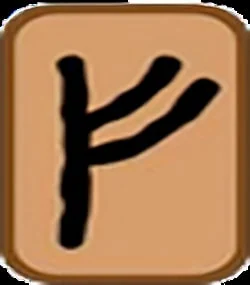
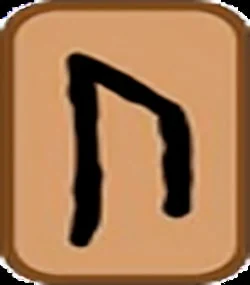
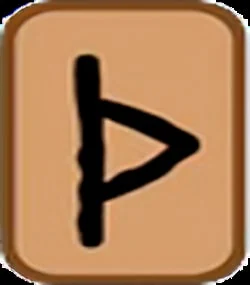
The Elder Futhark takes its name from its first six runes: Fehu, Uruz, Thurisaz, Ansuz, Raido, Kaunan. The earliest attested inscriptions, such as the Meldorf fibula or the Øvre Stabu spearhead, date from the 2nd century CE. The 24 runes are split into three ættir of eight signs, each placed under the protection of a deity: Freyr, Heimdall, and Tyr. Beyond writing, medieval sources such as Egil's Saga or the Eddas describe a divinatory use. Tacitus, in Germania (98 CE), already describes a draw of marked sticks.

How a rune reading unfolds

First, frame a clear question, then launch the draw. The app randomly picks one or more runes depending on the chosen method: a single rune for a brief answer, three runes for a past-present-future sequence, or the Odin cross spread for a detailed reading. Each rune appears upright or reversed (merkstave), which shapes its meaning. The reading combines Norse etymology, the Anglo-Saxon rune poem, and the position in the spread. You receive a written interpretation you can re-read and apply to your situation.

Tips for interpreting runes

Write down your question before the draw to frame the reading. Start with the literal meaning of the rune, then its resonance in context. Fehu evokes material goods, Ansuz speech and counsel, Hagalaz sudden ordeals. A reversed rune is not a bad omen but an energy held back or turned inward. Keep a journal to track how the runes match real events. This gradual approach sharpens your grasp of the Futhark without projecting needless fears onto the signs.

Frequently asked questions

Do I need to know Old Norse to consult the runes?

No. The app translates each rune and provides its interpretation. Knowledge of the Icelandic or Anglo-Saxon rune poems enriches the reading but stays optional. The symbolic meaning passed down by tradition is enough for a first approach.

What is the difference between the Elder and Younger Futhark?

The Elder Futhark has 24 runes and was used from the 2nd to the 8th century. The Younger Futhark, which appeared in the Viking era, keeps only 16. Most modern oracles use the Elder Futhark, which is fuller for divination.

Can the same question be drawn several times?

It is best to wait a few days between two draws on the same subject. Immediate repetition blurs the reading and tends to reflect your expectation rather than new information. Rephrase the question if needed.

Are reversed runes always negative?

No. A reversed rune signals a block, a delay, or an inward dimension of the symbol. Some runes such as Isa or Gebo are symmetrical and have no reversed position. Context matters more than orientation alone.