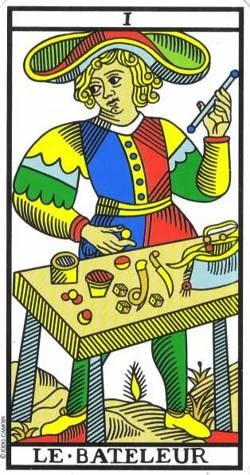
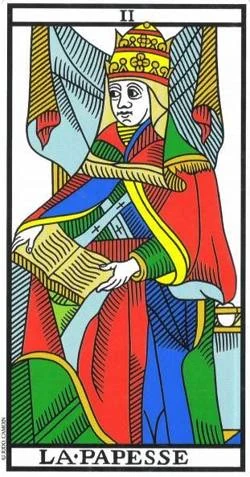
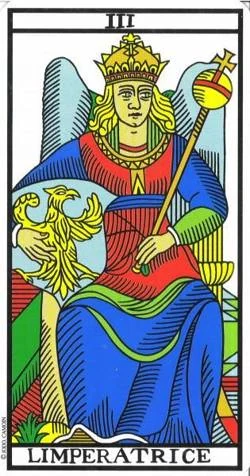
Wähle 3 Karten, die mit dir in Resonanz treten
Ask the Tarot: « Do my colleagues respect me? ». Get a personal answer with AI interpretation. Free, no signup.
"Do my colleagues respect me?" comes up when a signal of discomfort sets in at work: repeated remarks, being left out of meetings, the feeling of not being heard in team settings, silence after you speak. The question touches self-esteem as much as the collective reality. Tarot does not probe your colleagues' private thoughts, but it offers a reading of the team dynamic and of your real place in that group. This page guides you in framing the question with clarity and spotting the arcana that best speak to professional bonds.
Respect at work is rarely measured by a single sign. It is assessed through a cluster of indicators: being approached for projects, having your opinions considered, the tone of exchanges, access to information. When doubt sets in, tarot offers an outside frame to distinguish what belongs to a collective reality from what belongs to a personal perception colored by fatigue, imposter feelings, or an unfavorable comparison. Tarot does not give each colleague's individual opinion. It draws an overall map: where you are perceived as legitimate, where a dynamic works against you, what can be adjusted.
A four-card spread illuminates the topic well: your real place in the team, others' view of your work, the power dynamic, the adjustment lever. Among the arcana, the Emperor and the King of Pentacles evoke recognized authority, established legitimacy. The Three of Pentacles marks balanced collaboration. The World evokes recognition of a completed cycle. Conversely, the Seven of Swords or the Five of Wands can signal tensions, underhanded moves, unhealthy competition. The Hanged Man in the position of the team's view evokes a suspended perception, neither positive nor negative, to be clarified.
Draw outside working hours, away from the open-plan office, so that the immediate atmosphere does not distort the reading. Avoid drawing on Monday morning or just after a conflict: raw emotion steers the eyes. Before the reading, note three concrete facts — not feelings — that triggered the question. Compare them with the reading. If the consultation points to a difficulty, first ask what depends on you: posture, communication, clear scope, before concluding that the problem comes only from others.
Not by name. It can suggest a figure — a benevolent King of Pentacles, an attentive Queen of Cups — that matches a type of person. It is up to you to see who on your team embodies that energy. The reading offers a grid; you fill in the boxes with what you know of your colleagues.
Tarot will often say so. A reading dominated by the Star, the Sun, or harmonious Cups against an anxious question marks self-devaluation rather than hostile colleagues. The path then becomes internal: self-confidence, imposter syndrome, poorly managed fatigue.
The reading does not replace the conversation; it prepares it. If it points to real team tension and you have facts, a conversation with a manager or HR contact may be useful. If it points mostly to inner work, this is not a topic for immediate hierarchy but for a coach or therapist.
Every three to six months. Team dynamics evolve slowly, with arrivals, departures, and projects. A quarterly reading is enough to follow the evolution. Avoid drawing after every difficult meeting: you would catch emotional noise more than structural signal.