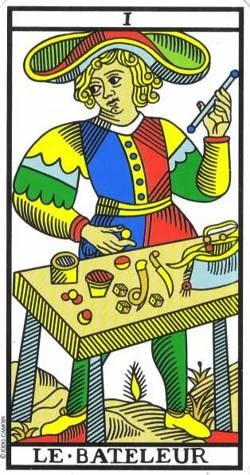
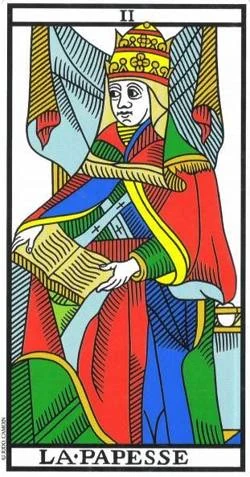
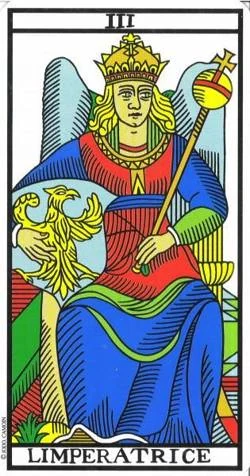
Wähle 3 Karten, die mit dir in Resonanz treten
Ask the Tarot: « Should I trust what I feel? ». Get a personal answer with AI interpretation. Free, no signup.
"Should I trust what I feel?" is a question of inner validation. It comes up when intuition signals something that reason does not confirm, or that those around you downplay. Should you listen to that feeling or treat it as a false alarm? The tarot, traditionally associated with intuition, can shed light on the reliability of the inner signal. This page offers a reading that distinguishes true intuition, projected fear, and rumination.
Inner feeling is valuable but not always reliable. A true intuition sometimes blends with an old fear, an unspoken desire, a projection. Asking the tarot is asking whether to follow this specific feeling in this specific context. The reading observes the tone of the feeling: calm and clear, the sign of a true intuition, or agitated and insistent, the sign of a fear in disguise. The tarot does not validate every feeling. It distinguishes the deep voice that knows from the mental noise that stirs. That distinction is one of the most useful learnings of personal tarot.
Three cards illuminate: nature of the feeling, true source, advice. Several arcana speak here. The Moon is the flagship arcanum of intuition, but also of confusion; it requires discernment. The Star evokes a calm, reliable intuition. The High Priestess, in decks that include her, indicates the deep voice of inner knowing. The Sun confirms the clarity of the feeling. On the other hand, the Devil can signal a false intuition born of attachment; the Nine of Swords, rumination mistaken for intuition; the Moon badly surrounded can warn of projection.
Before drawing, observe the quality of your feeling. A true intuition is generally calm, brief, clear, and returns without agitation. A fear is insistent, agitated, accompanied by bodily anxiety. Note these signs alongside the reading. If the card confirms your feeling, give it more weight in your decision. If it contradicts it, do not reject the feeling immediately: examine where it comes from. Often, understanding the origin of a false intuition is more liberating than simply invalidating it.
Intuition is calm and brief; fear is agitated and repetitive. Intuition arrives as a light evidence; fear imposes itself with urgency and insistence. Intuition coexists with bodily serenity; fear comes with tension. These signs are not absolute, but they orient. The tarot can refine through the Moon and the Star.
First examine where the feeling comes from. The tarot can signal a true intuition to listen to, or a projection of an old story onto this person. If the reading confirms the intuition, a careful distance is wise. If it points to projection, inner work is more useful than distancing.
No, definitely not. Intuition is a faculty that is educated through experience. Keep a journal: each time you follow or do not follow an intuition, note the outcome. Over time, you better recognize the signature of true intuition. The tarot speeds up that learning by offering symbolic feedback on each feeling.
Outside opinion is useful but does not replace your own feeling. Some true intuitions were ignored because no one around confirmed them. Conversely, some personal convictions were projections, and those around were right. The tarot can settle the question by revealing the real nature of the feeling, independent of outside opinions.