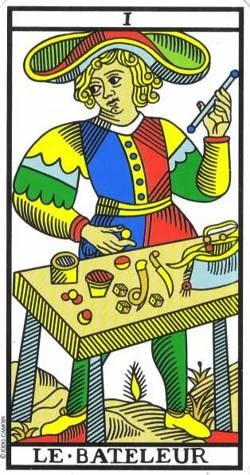
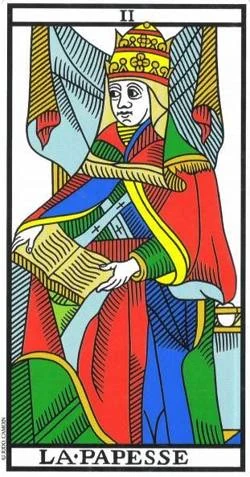
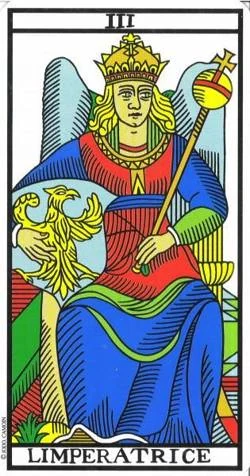
Wähle 3 Karten, die mit dir in Resonanz treten
Ask the Tarot: « What message do my ancestors send me? ». Get a personal answer with AI interpretation. Free, no signup.
"What message do my ancestors transmit to me?" arises in spiritualities that give a place to lineages — shamanic, animist, psychogenealogy, certain family traditions. Ancestors can be taken in the literal sense of the deceased, or in the sense of the legacies that structure who you are. Tarot does not channel a deceased person, but it offers a symbolic reading of the transmissions that move through you. This page accompanies you in framing the question with respect, and in recognizing the arcana that best speak to these sometimes silent legacies.
Whether one believes in the active presence of ancestors or reads the legacy more sociologically, the question opens rich ground. Tarot helps identify positive transmissions — courage, know-how, precious values — and transmissions to transform — unspoken truths, repeated traumas, limiting beliefs. It also observes the main message that seems addressed now: continue, break, restore, transmit in turn. Tarot does not validate a literal communication with the deceased. It offers a reading useful to self-awareness, with respect for each person's spiritual or philosophical frame.
A four-card spread illuminates the topic well: inherited resource to honor, inherited burden to transform, main message of the moment, gesture to make. Several Major Arcana speak strongly. The Hermit evokes wisdom transmitted from afar, the light of elders. The Hierophant marks the authority received from a tradition, sometimes to be questioned. Death evokes ancient endings poorly received that call to be completed. Judgement evokes an intergenerational call, a possible repair. The Six of Cups evokes sweet childhood memories, nourishing family roots.
Before the reading, write in a few lines what you know of your family over three generations: notable events, professions, marriages, bereavements, ruptures. That concrete context enriches the reading. Avoid overly spectacular tales about ancestors; the strongest transmissions are often ordinary. If the reading points to a significant burden — transmitted trauma, family secret —, work in psychogenealogy or with a specialized therapist is precious. The reading does not replace that work, it lays the first stones.
Tarot is not a tool for direct communication with the deceased. It offers images that may resonate with what you carry of a departed loved one, but this remains a symbolic reading, not a literal dialogue. If you feel the need for more direct communication, grief support or specific practices exist; choose them with discernment.
The reading remains useful. Legacies can be present without explicit knowledge: family silences, lack of information on a branch, adoption. Tarot points to the theme of the legacy rather than first names. If you wish, genealogical research can then complement the reading with concrete elements.
Difficult question. A frequent sign: an emotion or behavior that seems disproportionate to your personal history, as though it belonged to someone else. Psychogenealogy works precisely on that boundary. Tarot can suggest that path; qualified human support then deepens it.
Once a year at most, or at an important family event — death, birth, reunion. Legacies are worked on over long time. A too-frequent reading manufactures a narrative that can settle as fixed truth. Between readings, conversations with living elders, old photos, genealogical research bring more than repeated cards.