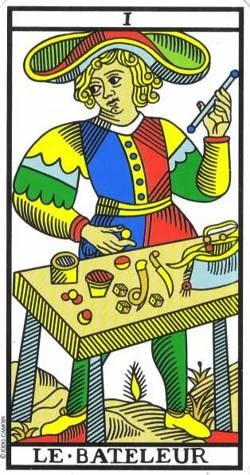
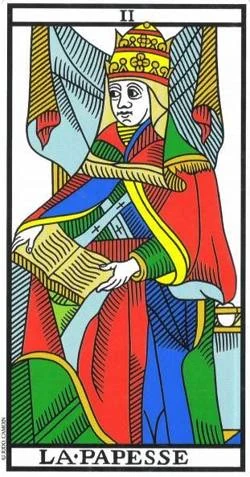
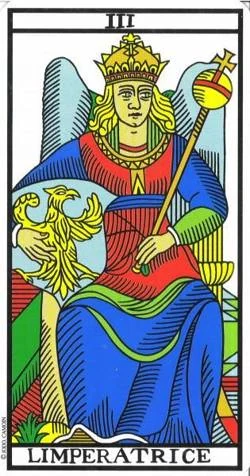
Wähle 3 Karten, die mit dir in Resonanz treten
Ask the Tarot: « Should I forgive him/her? ». Get a personal answer with AI interpretation. Free, no signup.
"Should I forgive him or her?" arises from a still-raw wound: betrayal, lie, abandonment, harsh words. The person asking hesitates between keeping the bond and breaking it, between understanding and turning the page. The tarot is not there to allow or forbid forgiveness: it sheds light on your current capacity to forgive, the sincerity of the other person's return, and the cost of each option. This page guides you through a reading that respects the complexity of this intimate decision.
Forgiveness is neither a duty nor an entitlement. It is an inner movement that takes time, sometimes a lot of time. When you ask the tarot about this topic, you are not really looking for permission but for clarification: am I ready today, or is it too soon? Has the other person taken the measure of what they did? Does the bond deserve the effort of rebuilding? The 78 cards do not decide for you, but they distinguish a hasty forgiveness, which erases without healing, from a ripened forgiveness that liberates. No reading obliges you to forgive; the reading sheds light on your actual readiness.
A five-card spread fits well: nature of the wound, your current state, the other person's state, what forgiveness would offer, what non-forgiveness would preserve. Several arcana speak clearly here. Justice demands clear acknowledgment of what was done before any forgiveness. Temperance evokes a gentle reconciliation, step by step. Judgement invites you to close a cycle and reclaim inner freedom. The Five of Swords indicates a bitter victory or persistent resentment. The Three of Swords reminds you that pain is still alive and that time is needed before any movement.
Do not draw in the days immediately after the wound: the reading would be flooded by emotion. Allow several weeks, sometimes several months, before approaching the tarot on this subject. Also separate forgiving from resuming the relationship: those are two different decisions. The tarot may signal that inner forgiveness is ripe without validating renewed contact. Take the reading as an invitation to dialogue with yourself, not as a final verdict on the other person.
No. You can forgive inwardly, that is, release the resentment, without resuming the relationship. Conversely, some people resume the relationship without having truly forgiven, and the wound resurfaces. The tarot often distinguishes these two movements, especially through Temperance and Judgement.
There is no universal timeline. A deep betrayal takes months, sometimes years, to digest. The tarot can indicate whether the process is advanced or still underway, but no deadline applies: forgiveness takes the time it takes.
Forgiveness then becomes a unilateral inner act. It no longer depends on the other person, but on your need to release the weight. Justice will often come out reversed or in tension, signaling missing acknowledgment; it is up to you to decide whether to move forward anyway.
It can signal a stance: openness, closure, withdrawal, repentance. But deep sincerity belongs to that person. The reading gives an indication, never absolute certainty. Cross-check the reading with concrete actions observed over time.