Major Arcana
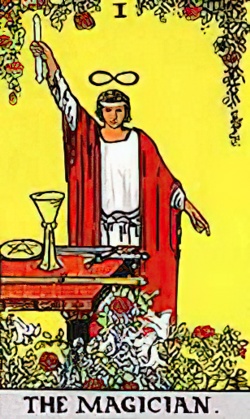
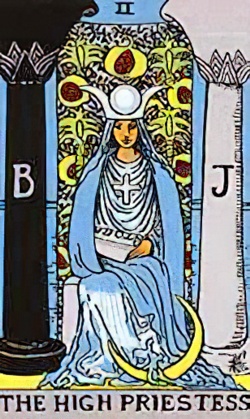
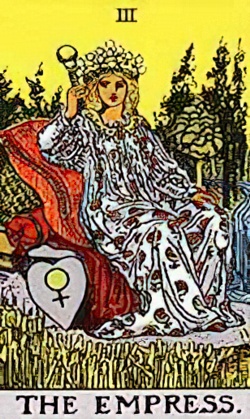
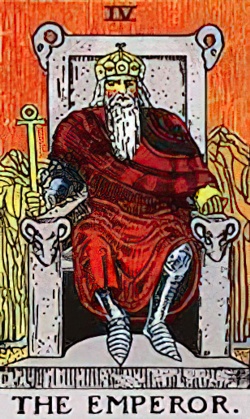
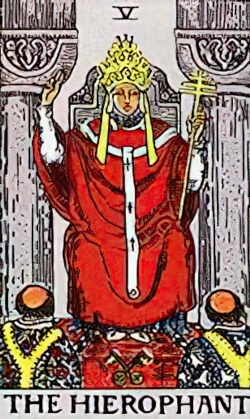
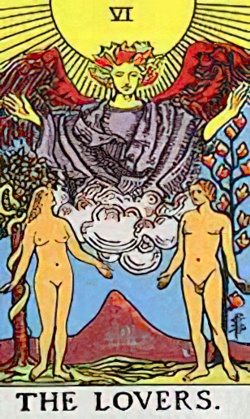
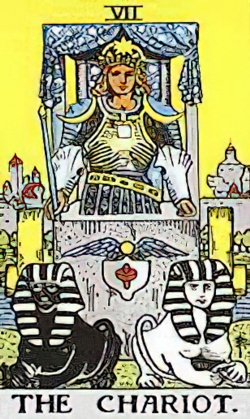
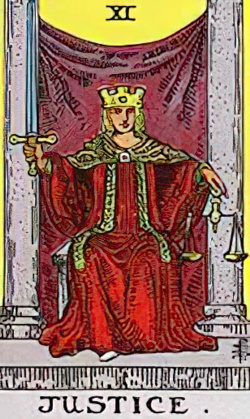
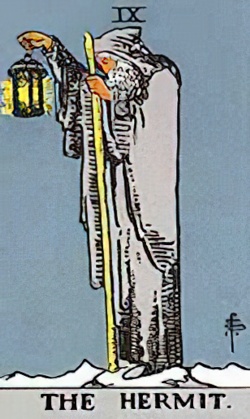
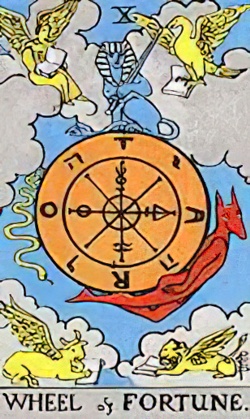
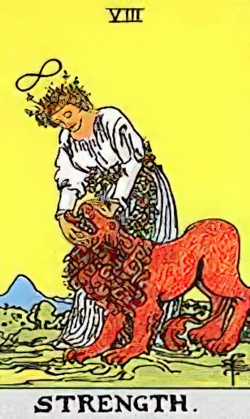
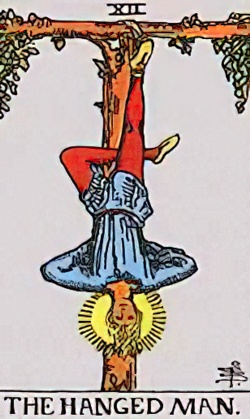
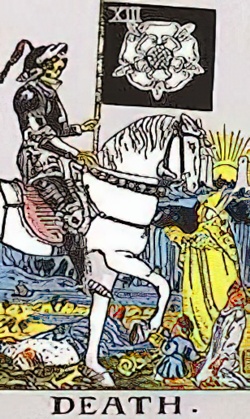
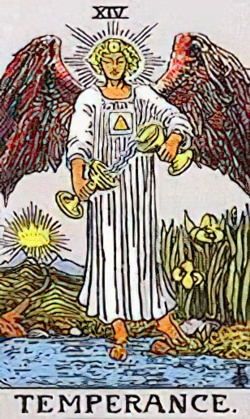
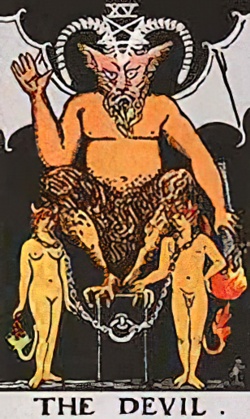
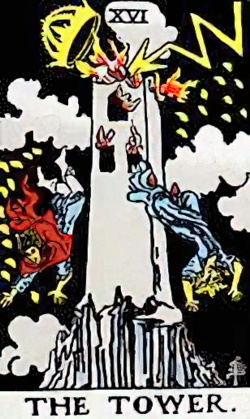
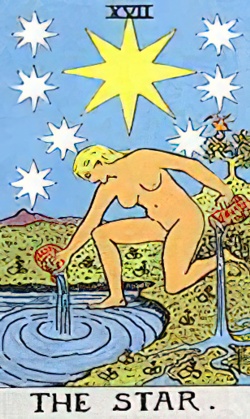
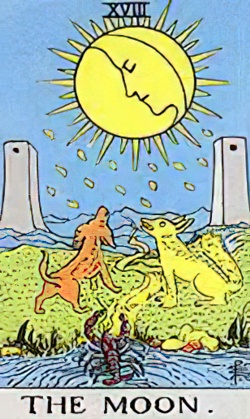
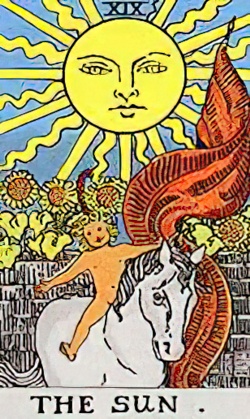
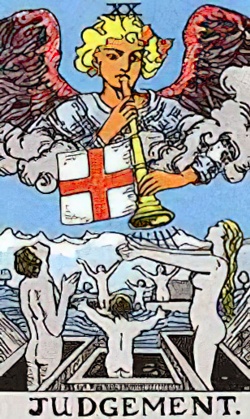
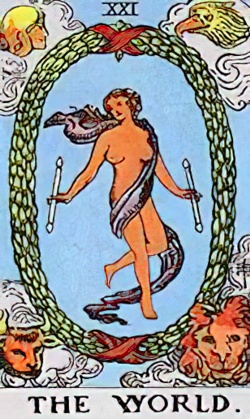
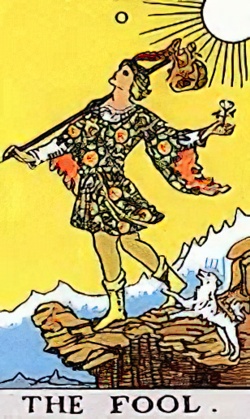
A Major Arcanum is one of the 22 master cards of the tarot deck, numbered from 0 (The Fool) to XXI (The World). Each Major Arcanum represents a strong symbolic figure, distinct from the Minor Arcana that make up the four suits.
Origin and etymology
The word arcanum comes from the Latin arcanum, meaning that which is kept secret, stored away in a chest. In the 14th century, the earliest Italian tarot decks, such as the Visconti-Sforza around 1450, already included these 22 figures known as trionfi (triumphs). The French expression arcane majeur became standard in the 19th century through occultist writings, particularly those of Eliphas Levi (Dogme et rituel de la haute magie, 1854-1856), who linked each arcanum to a letter of the Hebrew alphabet. Court de Gebelin had paved the way in 1781 by asserting, in Le Monde primitif, an Egyptian origin for the 22 master cards.
Evolution and tradition
The Marseille tradition fixed the order and Roman numbering of the Major Arcana from the 17th century onward, with publishers such as Jean Noblet (1650) and later Nicolas Conver (1760). In the 19th century, the French school of Eliphas Levi and then Papus reread the series as a gradual initiation. In England, the Hermetic Order of the Golden Dawn associated each Major Arcanum with a path on the Sephirotic Tree. This Kabbalistic framework guided the Rider-Waite deck of 1909 and later Aleister Crowley's Thoth, painted by Lady Frieda Harris between 1938 and 1943. Numbering varies: Justice is given the VIII or the XI depending on the school.
Practical use
In a reading, the Major Arcana signal the structuring axes of a situation: life stages, decisive choices, archetypes at play. Many spreads, notably the Celtic Cross or the three-card spread, can be performed using only the 22 cards. On Tarotoui, you will find each Major Arcanum in a dedicated entry that lays out its numbering, its correspondences and its upright and reversed interpretations. A predominance of Major Arcana in a spread is generally read as the sign of a pivotal moment, whereas a dominance of Minor Arcana points to everyday matters.
Going further
The 22 arcana are sometimes presented as a journey of the Fool, but this linear initiatory reading only dates from the 20th century, popularized by Sallie Nichols and Joseph Campbell. Medieval tarot itself had no recognized divinatory function: it was used for card games. Confusing playful origin with esoteric use is a common mistake. Note also that arcane is masculine in standard French, even though the feminine usage exists.